Licensed TACLB00105442E (346) 451-1559 24/7 Emergency Service

Commercial HVAC

Refrigerant Recharge - HVAC247PRO Houston TX professional service

Refrigerant Recharge

Commercial HVAC

Introduction to Refrigerant Recharge
Freon Refrigerant Hvac - Refrigerant Recharge | HVAC247PRO Houston

Importance of Refrigerant Levels

Commercial HVAC systems, whether in office buildings, retail centers, manufacturing facilities, data centers, healthcare facilities, or government buildings, rely on precise refrigerant levels to function efficiently. Undercharging can lead to insufficient cooling and increased compressor strain, while overcharging can cause excessive wear and tear on compressors, motors, and other components. In Houston's climate, these issues can be exacerbated, leading to higher energy consumption and potential system breakdowns.

A study conducted by ASHRAE found that a 10% refrigerant loss in HVAC systems can increase energy consumption by up to 25%. This not only impacts the bottom line but also has environmental implications. For instance, a large retail center with an undercharged HVAC system might incur additional operational costs of $30,000 annually and contribute to increased carbon emissions.

Types of Refrigerants Used in Commercial HVAC

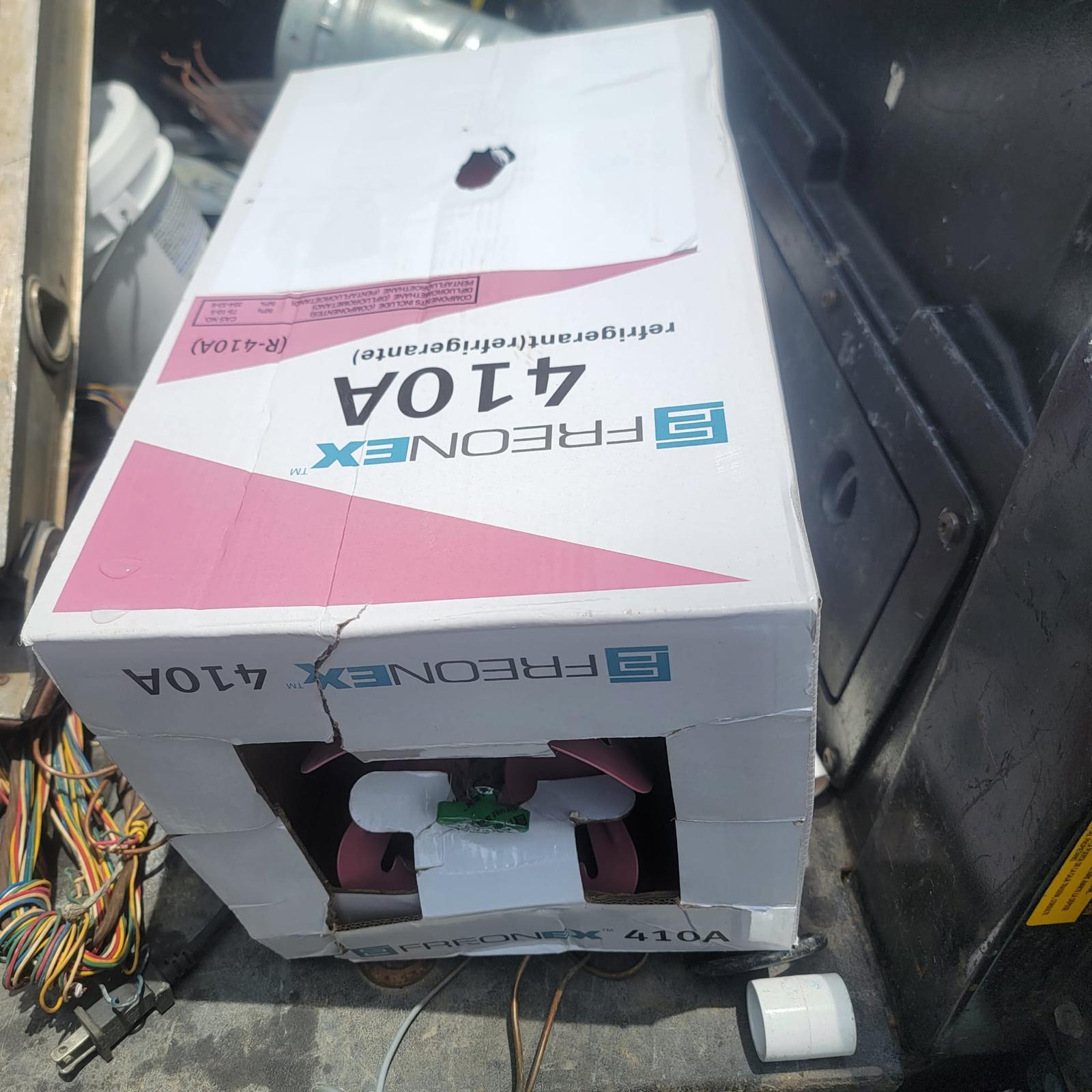
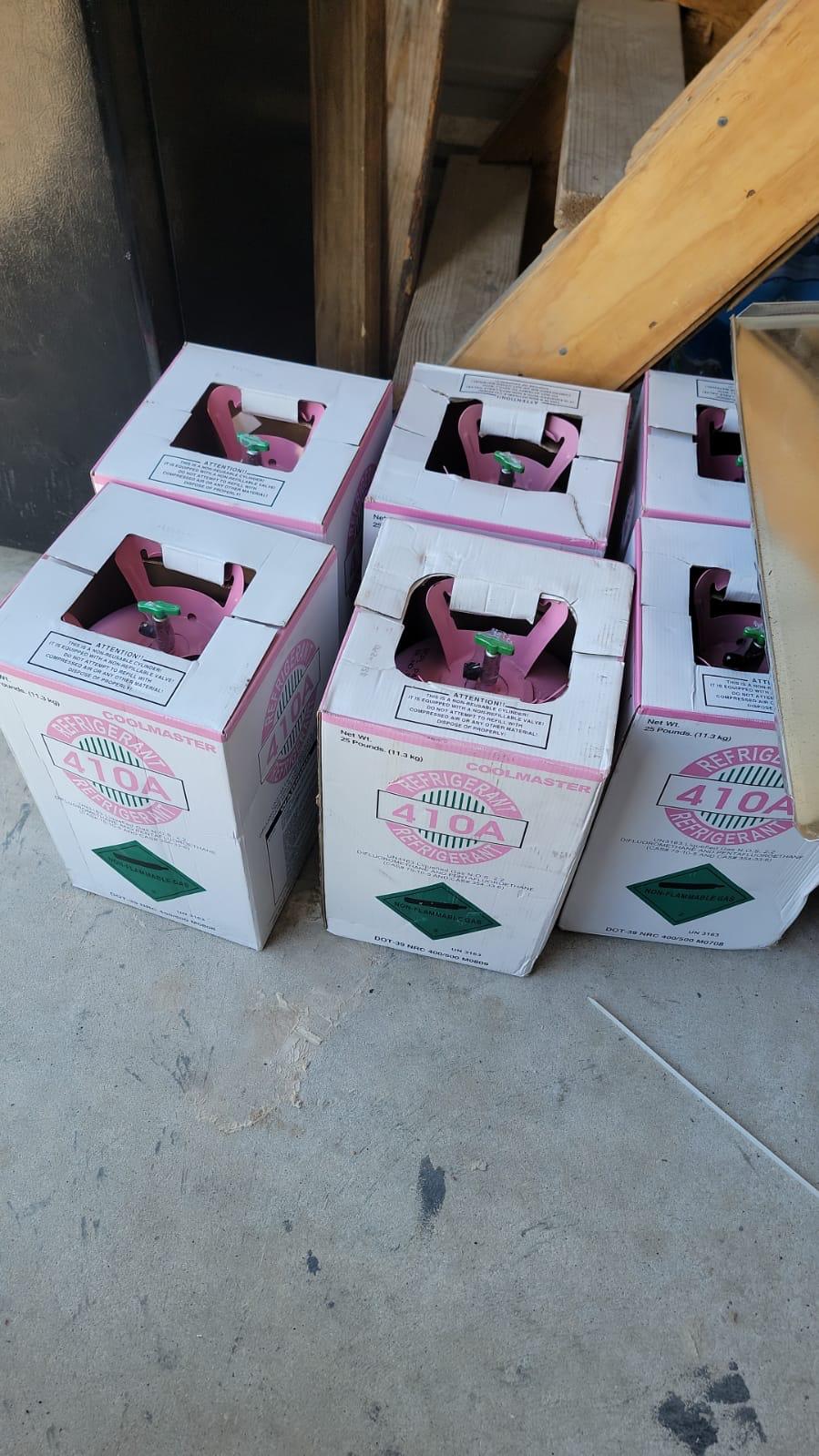
The choice of refrigerant plays a significant role in the efficiency and environmental impact of commercial HVAC systems. Traditionally, R-410A has been widely used due to its high energy efficiency and stability at various operating temperatures. However, with the phase-out schedule announced by the EPA under the Clean Air Act, many facilities are transitioning to lower Global Warming Potential (GWP) alternatives like R-32.

R-32 is a popular choice as it offers improved energy efficiency compared to R-410A while having a GWP of 67.5 versus R-410A's 2,088. This transition can lead to significant savings in operational costs and reduced environmental impact. For example, a data center with a fully converted R-32 system could save up to $50,000 annually on electricity bills, while also reducing its carbon footprint by nearly 97%.

Proper Charging Procedures and Leak Detection

Adhering to proper charging procedures is essential for maintaining optimal HVAC system performance. This involves checking the refrigerant level using gauges or electronic leak detectors, ensuring that the system is properly evacuated before recharging, and adding only the required amount of refrigerant as specified by the manufacturer. Houston's high humidity levels can accelerate refrigerant leakage; therefore, regular inspections are crucial to detect leaks early.

Utilizing advanced leak detection methods such as ultrasonic sensors or infrared cameras can improve accuracy in identifying leaks that might otherwise go unnoticed. Early detection and prompt repair not only prevent unnecessary energy loss but also extend the lifespan of HVAC equipment. For instance, a manufacturing facility with proactive leak detection and maintenance could save approximately $15,000 per year on repairs and reduce downtime.
Hvac Refrigerant R410A Storage - Refrigerant Recharge | HVAC247PRO Houston

Environmental Compliance and Cost Analysis

Compliance with environmental regulations is not just a legal requirement but also a strategic decision that can enhance a business's reputation. The EPA's refrigerant phase-out schedule mandates the gradual reduction in the production and import of high-GWP refrigerants, encouraging businesses to adopt more environmentally friendly alternatives.

A cost analysis for switching to lower GWP refrigerants reveals significant long-term benefits. For example, converting an office building's HVAC system from R-410A to a low-GWP alternative can result in annual savings of $25,000 and reduce the facility's carbon footprint by 86%. This investment also positions the company as environmentally conscious, potentially attracting more customers and talent.

Moreover, participating in energy efficiency programs offered by local utilities or government incentives can further offset initial conversion costs. These initiatives often provide rebates or tax credits for businesses that upgrade to energy-efficient HVAC systems, making the switch to low-GWP refrigerants a financially viable option.

Impact on System Performance and Case Studies

The impact of proper refrigerant management extends beyond cost savings and environmental benefits. It directly influences system performance, reliability, and longevity. Well-maintained HVAC systems operate at peak efficiency, providing consistent indoor temperatures and reducing the risk of equipment failure.

For instance, a healthcare facility in Houston experienced significant improvements after implementing a comprehensive refrigerant recharge program. The facility saw a 20% reduction in energy consumption, resulting in annual savings of $18,000 while ensuring uninterrupted cooling services for critical medical equipment and patient comfort. Similarly, a retail center optimized its HVAC system by switching to R-32, achieving a 15% improvement in energy efficiency and reducing peak electricity demand during summer months.

These case studies highlight the tangible benefits of investing in proper refrigerant management and transitioning to more efficient systems that meet current environmental standards. As Houston continues to grow and face increasing demands on its infrastructure, prioritizing HVAC system performance through regular maintenance and upgrades will be essential for sustainable business operations.

Why Refrigerant Recharge Matters in Houston

Houston's climate puts year-round pressure on cooling and heating systems. Long humid summers, sudden storm-driven temperature swings, and dust from regional construction all combine to accelerate wear on HVAC equipment far faster than in milder markets. For local homeowners, understanding refrigerant recharge is not just academic — it is the difference between predictable comfort and unexpected outages that disrupt sleep, work, and revenue.

The team at HVAC247PRO has serviced systems across Houston, Katy, Cypress, Sugar Land, The Woodlands, and surrounding communities for years. Across those service calls, the same patterns surface again and again: small issues left unaddressed compound into expensive failures, and most could have been prevented with earlier attention. This guide distills what we've learned in the field so you can make informed decisions about your own equipment.

Key Points Homeowners Should Understand

  1. Climate load is the dominant variable. Houston systems run more hours per year than in most U.S. metros. Sizing, refrigerant charge, and airflow tolerances that pass in other regions can produce poor results here.
  2. Humidity, not just temperature, drives comfort. A system that cools the air but cannot remove enough moisture leaves the space feeling clammy and encourages mold growth in ductwork and on coil surfaces.
  3. Filtration is more than a checkbox. Houston's pollen, road dust, and pollution levels mean filter media matters. Higher-MERV pleated filters protect coils, but only when the blower can move air through them — never just upgrade in isolation.
  4. Maintenance compounds. Two seasonal tune-ups per year keep efficiency within roughly 5% of factory spec. Skip them for two seasons and the same equipment can drift 15–25% off, burning that money straight through the meter.
  5. Refrigerant transition is real. Older R-22 systems are increasingly expensive to recharge, and federal phase-down of higher-GWP refrigerants is reshaping new-equipment choices. Plan replacement, do not get surprised by it.
  6. Ductwork matters as much as the box outside. Up to 30% of conditioned air can leak from poorly sealed or undersized duct runs — money you paid to cool but never received.
  7. Smart controls pay back fast. Properly programmed thermostats, demand-response settings, and zoning controls typically pay for themselves within 1–3 cooling seasons in Houston.

Common Mistakes Homeowners Make

  • Treating the thermostat as the system. When something feels off, swapping the thermostat is the easy answer — but the underlying issue is almost always at the equipment, coil, or duct level.
  • Closing vents in unused rooms. Modern split systems are not designed for this. Closing supply registers increases static pressure, strains the blower, and can freeze the coil.
  • Letting the outdoor unit get smothered. Vegetation, fencing, and stored materials within 18–24 inches of the condenser cut heat rejection and shorten compressor life.
  • Choosing equipment on tonnage alone. Oversized systems short-cycle, never run long enough to dehumidify, and wear out internal components faster than a properly sized unit.
  • Ignoring early warning signs. Strange smells, longer run times, and a steadily climbing electric bill are the system telling you it needs attention — listening early is always cheaper than reacting late.

How HVAC247PRO Approaches Refrigerant Recharge

Every diagnostic visit begins with measurements, not guesses. We verify supply and return static pressure, refrigerant subcool and superheat, temperature split across the evaporator, and amperage draw on the compressor and blower. Those numbers tell us whether the symptom you described is a charge issue, an airflow issue, a controls issue, or something deeper. We then walk you through what we found in plain language before any work begins.

HVAC247PRO operates under Texas license TACLB00105442E and dispatches 24 hours a day, seven days a week. That matters more than it sounds: Houston outages do not respect business hours, and a system that fails Friday night should not have to wait until Monday. Every truck carries the parts to handle the most common Houston-area failures on the first visit, so you do not lose a day to a part run.

Pricing is presented in writing before we start. You see the diagnostic fee, the recommended repair, and any optional upgrades side by side, with the cost of each clearly labeled. We do not push replacement on a system that can be cost-effectively repaired, and we do not bandage a failing system that needs to be replaced. The goal is the right call for your situation, today and three summers from now.

Frequently Asked Questions

How quickly can HVAC247PRO respond to a Houston service call?

For emergency calls inside our core Houston metro service area, target response is within about 60 minutes during typical traffic. Outlying areas may run slightly longer, and severe-weather days can shift that window — we will give you a realistic ETA when you call, not an optimistic one.

Will a repair be cheaper than replacement?

It depends on the equipment's age, refrigerant type, and the failure mode. As a rule of thumb, when a major repair exceeds about 30–40% of replacement cost on a system already past its expected service life, replacement usually wins on a 5-year total-cost basis. We will model both options for you in writing so the math is visible.

Do you service both residential and commercial systems?

Yes. We work on single-family homes, multi-family properties, light commercial rooftop units, mini-splits, VRF systems, and packaged equipment. If you are unsure what your building has, send a photo of the nameplate when you call and we can confirm fit before dispatch.

What does a typical maintenance plan cover?

Standard plans include two seasonal tune-ups per year (cooling and heating), priority scheduling during peak season, a discount on any repairs, and a written condition report after each visit. Plans can be scaled up for multi-zone homes or commercial buildings with multiple units.

How do I know I'm getting honest pricing?

Ask for the written estimate before any work begins, and ask the technician to walk you through the measured readings that justify the recommendation. A good contractor welcomes that conversation — if a technician resists, that is the answer to your question.

Next Steps for Houston Homeowners

If your system is showing any of the patterns described above, the cheapest day to act is today. Repairs caught early are typically one-tenth the cost of the failures they prevent, and well-maintained equipment routinely outlasts its rated service life by years. Call HVAC247PRO at (346) 451-1559 for an inspection, or request a written quote online. Licensed contractor TACLB00105442E, available 24/7 across Houston and surrounding cities.

Need HVAC service? We're here 24/7.

Licensed contractor (License TACLB00105442E) · 60-minute response · 5-star Google rating.