
Common Commercial Thermostat Issues
For instance, a malfunctioning thermostat in the Medical Center hospital could lead to inconsistent heating or cooling, which is unacceptable given the sensitive nature of healthcare facilities. Similarly, an Energy Corridor data center needs precise control over its environment to prevent equipment damage from overheating, making it essential to address any thermostat issues promptly.

Houston Climate Considerations
Houston's climate presents unique challenges for HVAC systems. Extreme temperature swings and high humidity can affect the accuracy of thermostats, especially in outdoor units or those near windows where they might be exposed to direct sunlight.
For example, a thermostat placed too close to a window in a large office building like Enron Center could receive incorrect readings due to solar radiation, leading to unnecessary heating or cooling cycles. This not only wastes energy but can also increase maintenance costs and reduce system longevity.
Enterprise Environments
Commercial facilities such as retail spaces in the Galleria area, hotels in the Uptown district, hospitals like Memorial Hermann, and data centers in the Energy Corridor all require robust HVAC systems with reliable thermostats. These environments have specific needs:
- Retail Spaces: Must maintain a consistent temperature to enhance customer comfort and sales.
- Hotels: Need precise control over each room's environment for guest satisfaction.
- Hospitals: Require highly accurate climate control to support medical equipment and patient well-being.
- Data Centers: Must maintain a constant temperature and humidity level to protect sensitive hardware from overheating or damage.
Smart/Programmable Thermostat Systems
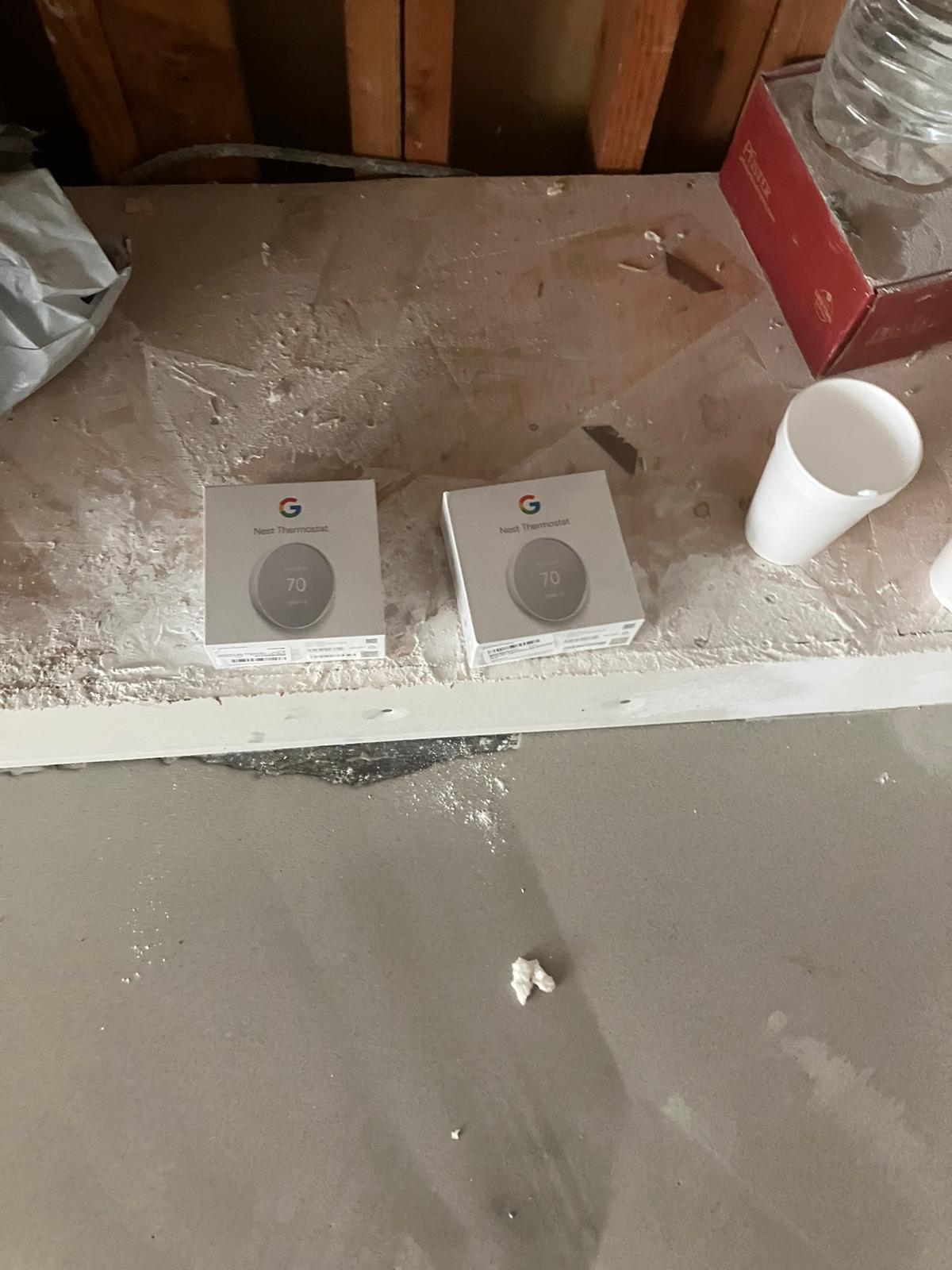
Modern smart thermostats offer advanced features such as remote access, scheduling, and energy management. However, these systems can also introduce new challenges:
- Communication Failures: Issues with Wi-Fi connectivity or communication protocols can prevent the thermostat from functioning correctly.
- Programming Errors: Misconfigurations in schedules or settings can lead to inefficient operations and increased energy consumption.
In a Galleria retail center, a smart thermostat that fails to communicate with the building's control system could cause heating or cooling zones to operate incorrectly, affecting customer comfort and operational costs.
BMS/BAS Integration Issues
Building Management Systems (BMS) and Building Automation Systems (BAS) rely on accurate data from thermostats to optimize building operations. Common integration issues include:
- Data Inconsistency: Thermostat readings that differ significantly from actual conditions can skew energy models and lead to inaccurate control decisions.
- Network Latency: Delays in data transmission between thermostats and the central system can result in inefficient HVAC responses.
In a Medical Center hospital, where precise environmental controls are crucial for patient care, any integration issue that impacts thermostat accuracy could have serious consequences.
Diagnostic Procedures and Tools
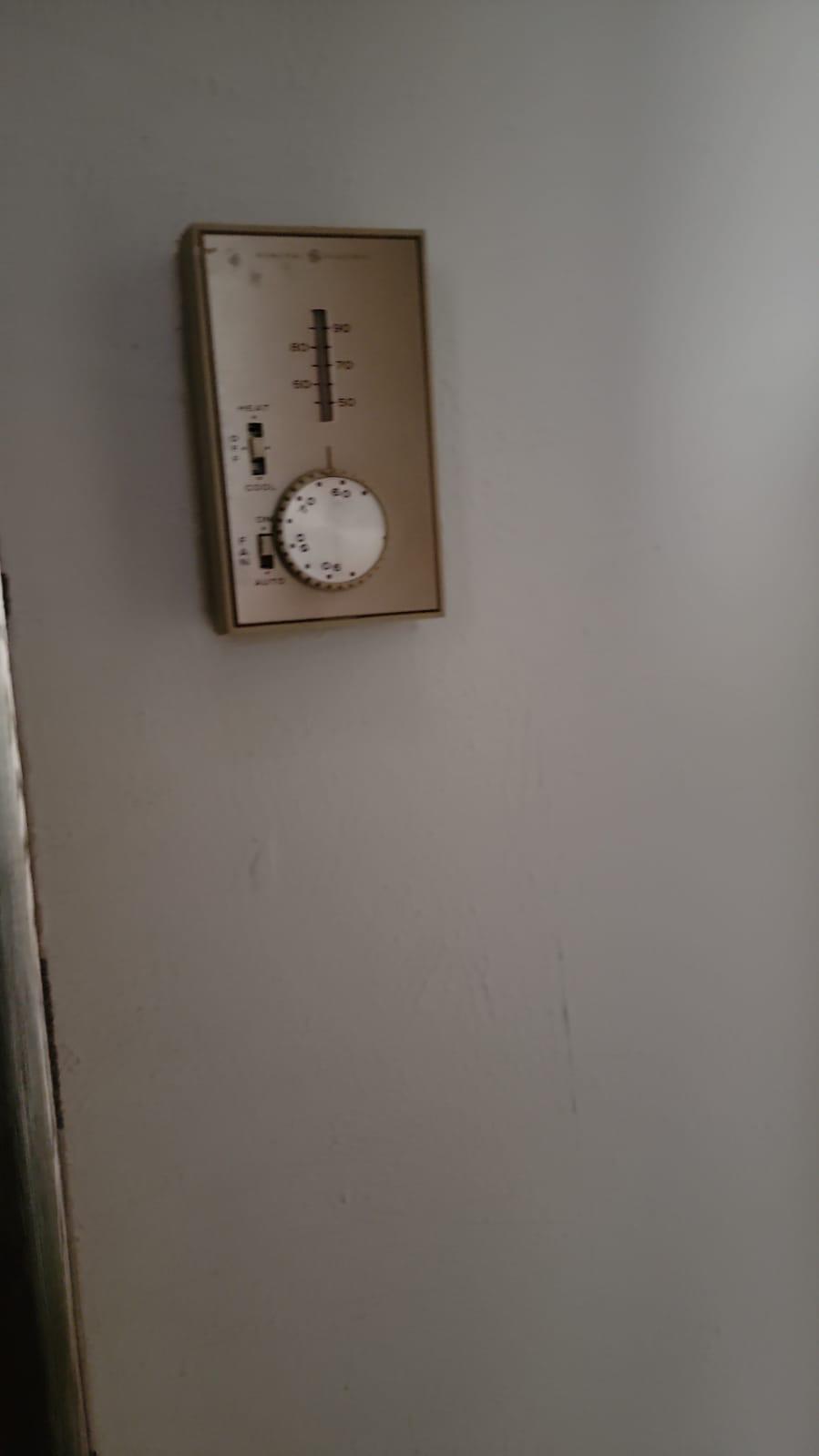
When troubleshooting commercial thermostats, it's essential to use proper diagnostic procedures and tools:
- Visual Inspection: Check for obvious issues such as loose wires or physical damage.
- Voltage Testing: Use a multimeter to verify that the thermostat is receiving power.
- Sensor Calibration: Ensure that temperature sensors are calibrated correctly to avoid inaccurate readings.
- Communication Tests: Check network connectivity and communication protocols between thermostats and control systems.
For example, in an Energy Corridor data center, a thorough diagnostic process might include verifying the thermostat's power supply, checking sensor calibration for accuracy within ±0.5°F, and testing network latency to ensure efficient operation.
Quick Fixes vs. Professional Service Needs
Some thermostat issues can be resolved with quick fixes, while others require professional assistance:
- Quick Fixes: Replacing batteries, adjusting sensor placement, or correcting minor programming errors.
- Professional Services: Repairing damaged components, recalibrating complex systems, and resolving integration issues with BMS/BAS.
In a Downtown Houston office building, changing a faulty battery in the thermostat is a quick fix that can restore functionality without professional intervention. However, if the issue involves communication failures or complex system errors, it's best to consult a professional HVAC technician.
Preventive Maintenance for Thermostats
Regular maintenance helps prevent many common thermostat issues:
- Cleaning Sensors: Remove dust and debris from sensors to ensure accurate readings.
- Calibration Checks: Periodically check and recalibrate temperature sensors for accuracy within ±0.5°F.
- Firmware Updates: Ensure that smart thermostats have the latest firmware updates installed.
A preventive maintenance schedule in a retail center like Galleria can help maintain consistent indoor temperatures, reduce energy waste by up to 15%, and extend the lifespan of HVAC components.
Industry Standards: Thermostat Calibration, Accuracy Requirements, Communication Protocols
Adhering to industry standards ensures reliable thermostat performance:
- Calibration: Thermostats should be calibrated to within ±0.5°F of actual room temperature.
- Accuracy: In critical applications such as hospitals or data centers, sensors must have an accuracy tolerance of ±0.2°F.
- Communication Protocols: Follow standards like BACnet/IP for networked systems to ensure compatibility and efficient communication.
By maintaining these standards in a Medical Center hospital or Energy Corridor data center, facility managers can ensure that thermostats operate reliably, providing accurate control over the environment and reducing energy waste by up to 20% compared to non-calibrated systems.