

Common IAQ Issues in Commercial Buildings
- VOCs: Found in paints, cleaning products, and building materials, VOCs can cause eye irritation, headaches, and more serious health issues over time.
- Particulates: Dust, pollen, and other airborne particles can exacerbate allergies and respiratory conditions.
- Humidity: High humidity levels (common in Houston's hot summers) can lead to mold growth and increased dust mite populations.
- CO2: Higher concentrations of CO2 reduce oxygen availability, leading to lethargy and decreased cognitive function.
- Mold: Moisture-prone areas in buildings can develop mold colonies, posing health risks through spore inhalation.
- Bacteria: Uncontrolled environments can foster bacterial growth, contributing to sick building syndrome.
Houston Climate Challenges
Houston's unique climate presents specific challenges for maintaining IAQ. Hot summers with temperatures often exceeding 100°F and relative humidities of over 80% create ideal conditions for mold, bacteria, and VOC accumulation. In addition, frequent hurricanes can introduce significant amounts of particulates and other contaminants into the indoor environment.
Outdoor air quality in Houston frequently fails to meet EPA standards, further complicating efforts to maintain clean IAQ indoors. For example, a Texas Medical Center facility might experience elevated CO2 levels due to high occupancy and poor ventilation during peak hours.
Filtration Systems and Technologies
Selecting the right filtration system is crucial for maintaining clean air in commercial buildings. Minimum Efficiency Reporting Value (MERV) ratings indicate a filter's ability to capture particles of various sizes:
- MERV 8-13: Effective for removing dust, pollen, and mold spores.
- MERV 16+: Suitable for capturing smaller particulates like smoke and bacteria.
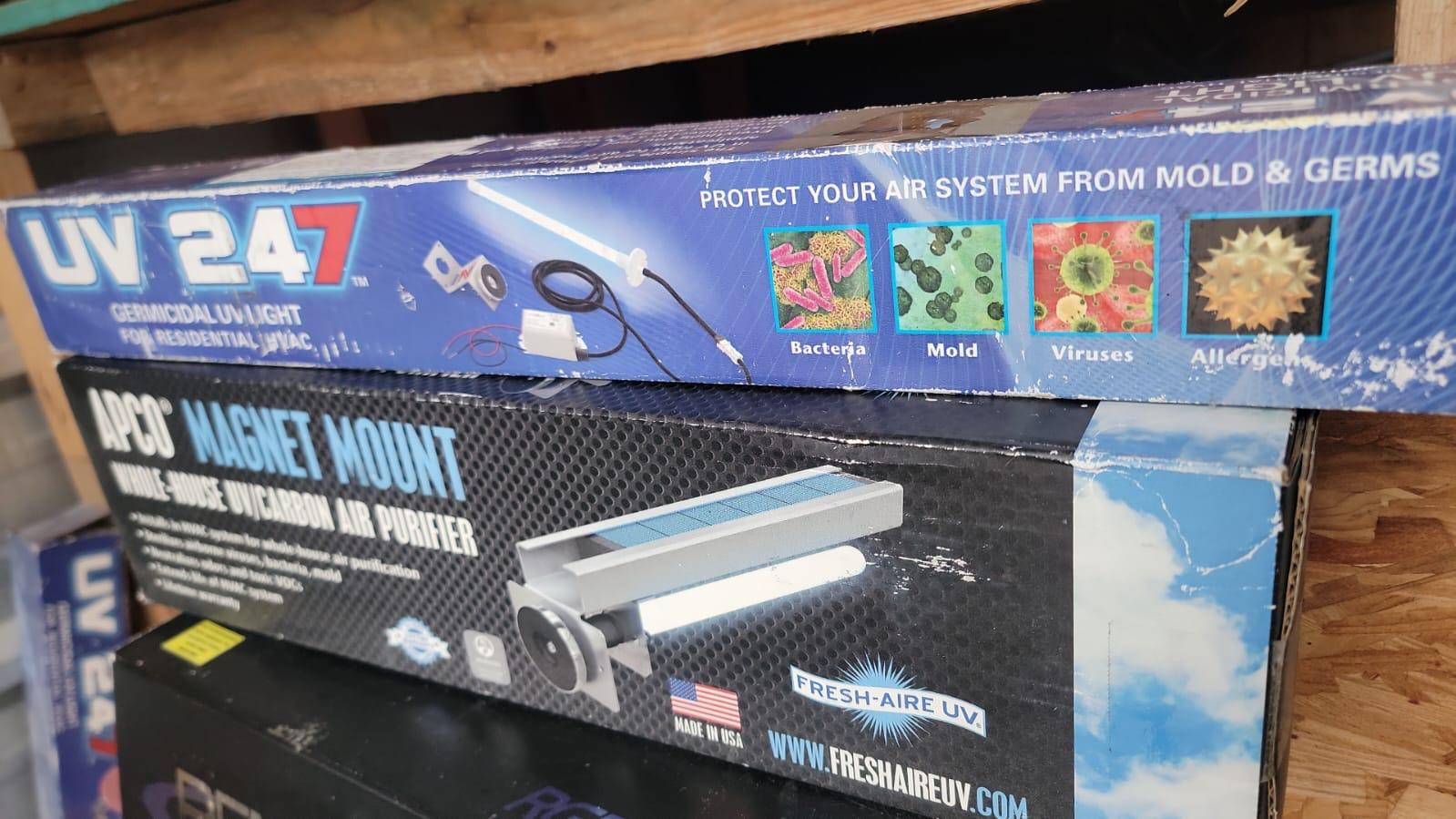
Houston's Galleria office complex could benefit from upgrading to HEPA filters, which capture particles as small as 0.3 microns with high efficiency. UV-C light systems can also be installed within HVAC units to reduce microbial contamination by up to 98%.
Ventilation Strategies and Fresh Air Intake
Proper ventilation is essential for maintaining IAQ, especially in densely occupied buildings like Downtown Houston corporate towers. ASHRAE Standard 62.1 recommends a minimum of 50 cubic feet per minute (CFM) of outdoor air per person to ensure fresh air intake.
Implementing demand-controlled ventilation systems that adjust based on occupancy can significantly improve IAQ while conserving energy. For instance, an Energy Corridor manufacturing plant might reduce its heating and cooling costs by up to 20% through optimized ventilation strategies.
Humidity Control and Dehumidification
Controlling humidity is vital in Houston's humid climate to prevent mold growth and other health issues. Installing commercial-grade dehumidifiers can help maintain optimal indoor relative humidity levels between 40% and 60%, significantly reducing the risk of mold colonization.
A case study at a Downtown Houston corporate tower showed that implementing advanced dehumidification systems led to a 75% reduction in reported sick days among employees, illustrating the direct link between IAQ and health outcomes.

Monitoring Systems and IAQ Sensors
Continuous monitoring of indoor air quality is critical for early detection of pollutants and quick response actions. Installing IAQ sensors that measure CO2, particulates, humidity, and VOC levels can provide real-time data on the building's air quality.
The WELL Building Standard emphasizes the importance of IAQ monitoring systems, which can also contribute to LEED certification points by demonstrating proactive management of indoor environments. For example, a Galleria office complex might use IAQ sensors to inform automated HVAC adjustments that improve air quality during peak occupancy hours.
Maintenance Protocols for Air Quality
Regular maintenance is essential to ensure the effectiveness of HVAC systems and maintain clean indoor air. This includes:
- Frequent filter replacements or cleaning based on usage and MERV ratings.
- Annual inspections by certified professionals to check for leaks, blockages, and other issues.
- Regular cleaning of evaporator coils and air ducts to prevent mold growth.
A Texas Medical Center facility that implements a rigorous maintenance schedule could see significant reductions in energy costs (up to 15%) due to improved system efficiency and reduced downtime.
Health Impacts and Productivity Benefits
Investing in IAQ solutions can lead to measurable health benefits for employees and occupants. Reduced exposure to pollutants translates into lower rates of respiratory illnesses, allergies, and other health issues. For example, a manufacturing plant in the Energy Corridor reported a 40% decrease in absenteeism after upgrading its HVAC system.
Moreover, improved IAQ can enhance cognitive function and productivity. Studies show that employees working in environments with better air quality experience an increase in productivity of up to 26%. This can lead to significant financial benefits for businesses over time.
Industry Standards
Adhering to industry standards such as ASHRAE 62.1, EPA guidelines, LEED certification, and the WELL Building Standard ensures compliance with best practices in indoor air quality management.
- American Society of Heating, Refrigerating and Air-Conditioning Engineers (ASHRAE) 62.1: Provides minimum ventilation rates to maintain acceptable IAQ based on building occupancy.
- EPA Guidelines: Offer recommendations for reducing exposure to indoor pollutants through improved HVAC system management.
- Leadership in Energy and Environmental Design (LEED) Certification: Encourages sustainable design and operations practices, including IAQ management.
- WELL Building Standard: Focuses on enhancing human health and well-being through indoor environmental quality improvements.
Meeting these standards not only ensures compliance but also demonstrates a commitment to creating healthy environments for employees and occupants. For instance, achieving LEED Gold certification can lead to energy cost savings of up to 20% over the life of the building.