
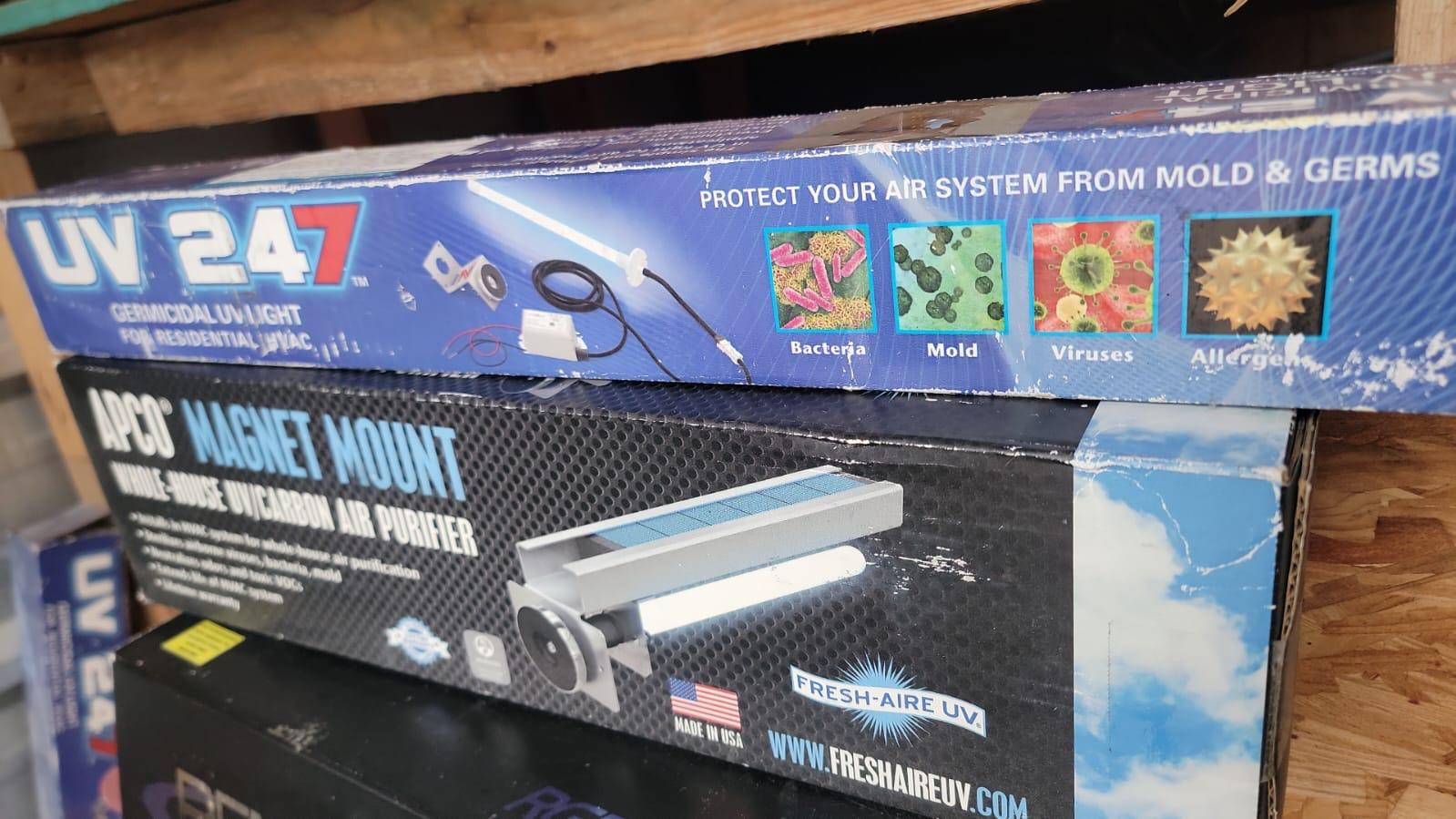
Understanding the Impact of Air Leaks on Commercial HVAC Systems
In commercial settings such as shopping malls, big box retailers, government facilities, and multi-family properties, even small air leaks can result in substantial energy waste over time. The impact of these leaks is multifaceted:
- Increased Energy Consumption: Leaks allow conditioned air to escape from the building while unconditioned air enters. This forces your HVAC system to work harder and longer to maintain indoor temperatures, driving up energy usage.
- Higher Operational Costs: The additional workload on your HVAC equipment can lead to higher operational costs due to increased utility bills.
- Potential Equipment Damage: Overworking your HVAC systems can result in premature wear and tear, increasing the likelihood of breakdowns and necessitating more frequent repairs or replacements.
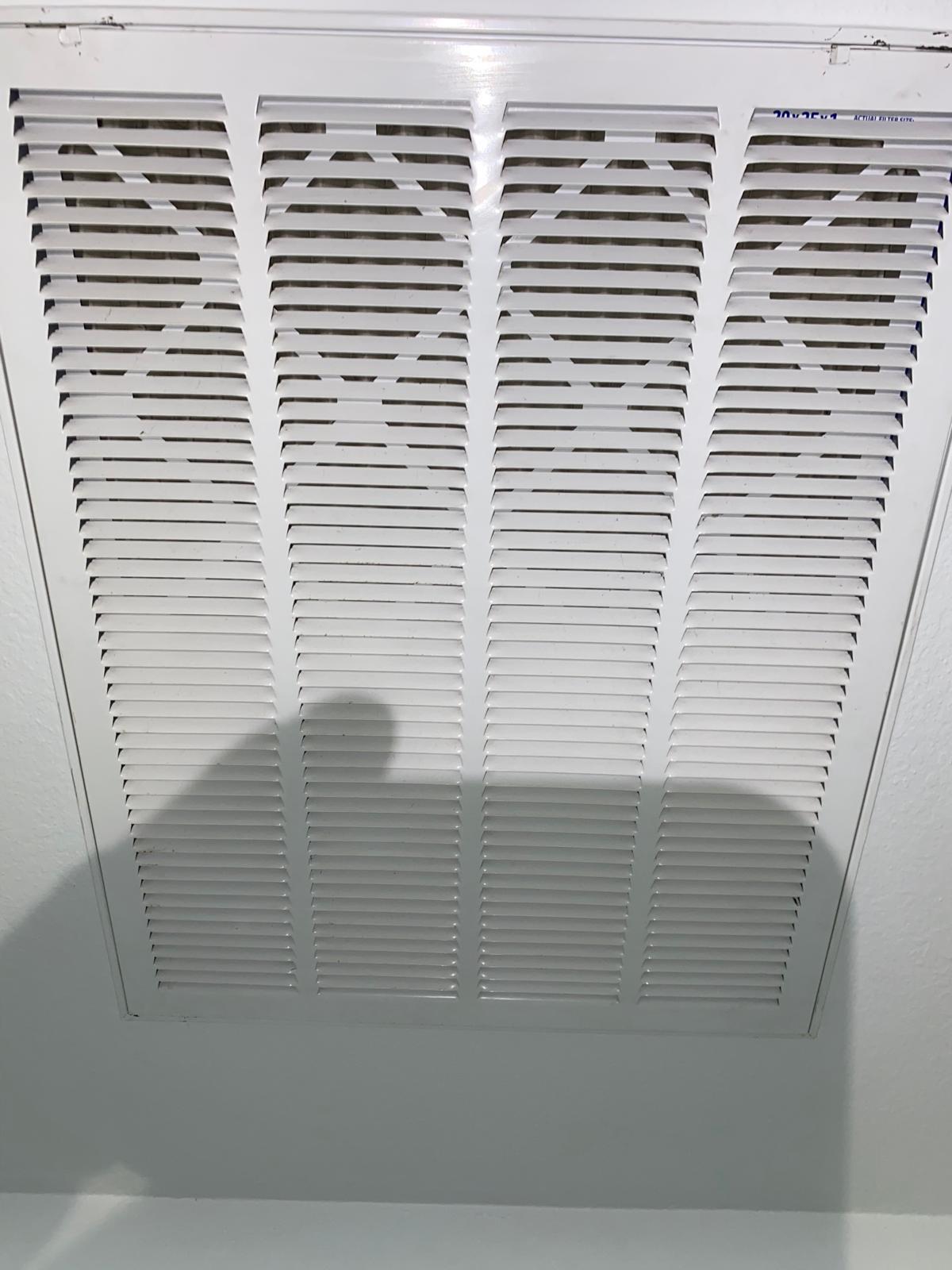
Common Locations Where Air Leaks Occur in Commercial Buildings
Air leaks can occur in various parts of a commercial building. Understanding where these leaks typically appear is the first step in addressing them effectively. Common locations include:
- Doors and Windows: Poor seals around windows and doors are a frequent source of air leaks.
- Vents and Ductwork: Leaks in ducts, especially those exposed to the elements like those on rooftops, can significantly impact efficiency.
- Ceiling Panels: Leaks around ceiling panels or dropped ceilings can be hard to detect but are common in commercial buildings.
- Seams and Joints: Gaps between walls, floors, and ceilings need regular inspection for leaks.
In big box retailers like Home Depot or Lowe's, these areas must be closely monitored due to the large square footage and extensive HVAC systems required to maintain customer comfort.
DIY Detection Methods (Visual Inspection, Smoke Tests)
Performing regular inspections can help you identify air leaks before they cause significant damage. Here are some simple DIY methods:
Visual Inspection
A visual inspection is the easiest way to spot obvious air leaks around doors and windows. Look for gaps or openings that allow light or drafts through during windy conditions. Check around HVAC units, electrical outlets, and service panels as well.
Smoke Tests
Smoke tests involve blowing smoke into a suspected leak area and observing where it travels. This method can help identify leaks in areas not easily visible from the outside, such as ducts or ceiling spaces. Be cautious with this method to ensure safety and compliance with local regulations.
Professional Leak Detection Technologies (Thermal Imaging, Pressure Testing)
While DIY methods are useful, professional technologies can provide a more comprehensive analysis:
Thermal Imaging
Thermal imaging cameras detect temperature differences that indicate air leaks. This technology is particularly effective in detecting leaks in hard-to-reach areas like roofs and walls.
Pressure Testing
Pressure testing involves pressurizing the building or a section of it to identify where leaks occur. By measuring pressure changes, technicians can pinpoint exact leak locations efficiently.
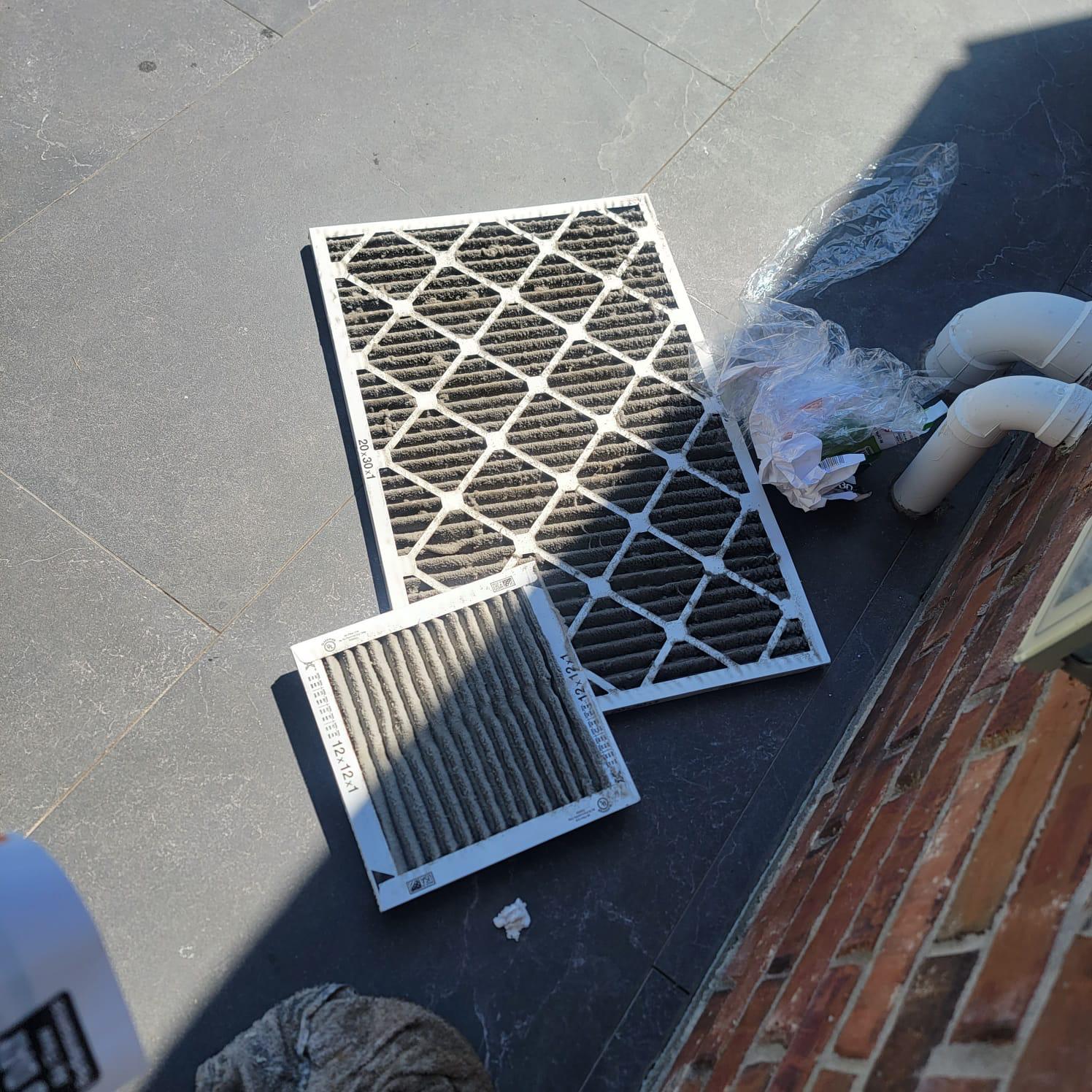
Sealing Methods and Materials for Different Types of Leaks
The right sealing method and material depend on the location and type of leak:
- Doors and Windows: Use weatherstripping, door sweeps, or caulking to seal gaps around doors and windows.
- Vents and Ductwork: Apply duct mastic, wrap, or use sheet metal screws to seal duct joints and leaks. In extreme cases, replacing the ducts might be necessary.
- Ceiling Panels: Inspect for gaps around ceiling tiles and use expanding foam or acoustical sealant to fill them.
- Seams and Joints: Use silicone caulk or weatherstripping on joints and seams in walls, floors, and ceilings.
Cost-Benefit Analysis and Energy Savings Potential
The cost of sealing air leaks can vary widely based on the extent of damage. However, the benefits often outweigh these costs:
- Reduced Energy Bills: Sealing leaks can lead to significant reductions in heating and cooling bills.
- Improved Comfort: Better control over indoor temperatures improves employee comfort and productivity in office buildings or customer satisfaction in retail spaces.
- Lower Maintenance Costs: By reducing strain on HVAC systems, sealing leaks can decrease the need for repairs and replacements.
For example, a study by the U.S. Department of Energy estimated that sealing air leaks could result in energy savings of up to 30% for commercial buildings. Given Houston's fluctuating temperatures, these savings can be substantial.
Preventive Measures to Avoid Future Leaks
Regular maintenance is key to preventing future air leaks:
- Scheduled Inspections: Perform regular inspections of HVAC systems and building envelopes to catch potential issues early.
- Professional Maintenance: Hire professional contractors for annual maintenance, including cleaning, lubrication, and replacing worn parts.
- Seal New Openings: Ensure that any new openings in the building envelope are properly sealed to prevent leaks.
At HVAC247PRO, we provide comprehensive air leak detection and sealing services for Houston commercial properties. Our energy audits identify inefficiencies and help you reduce operational costs. Contact us at (346) 451-1559 to schedule an assessment.