

Introduction
This blog post will delve into the comprehensive scope of commercial HVAC system inspections in Houston, including key components like equipment evaluation, ductwork analysis, controls assessment, and refrigerant levels. We will also discuss recommended inspection frequencies, detailed procedures, and Houston-specific considerations to help facility managers, building engineers, and property managers make informed decisions.
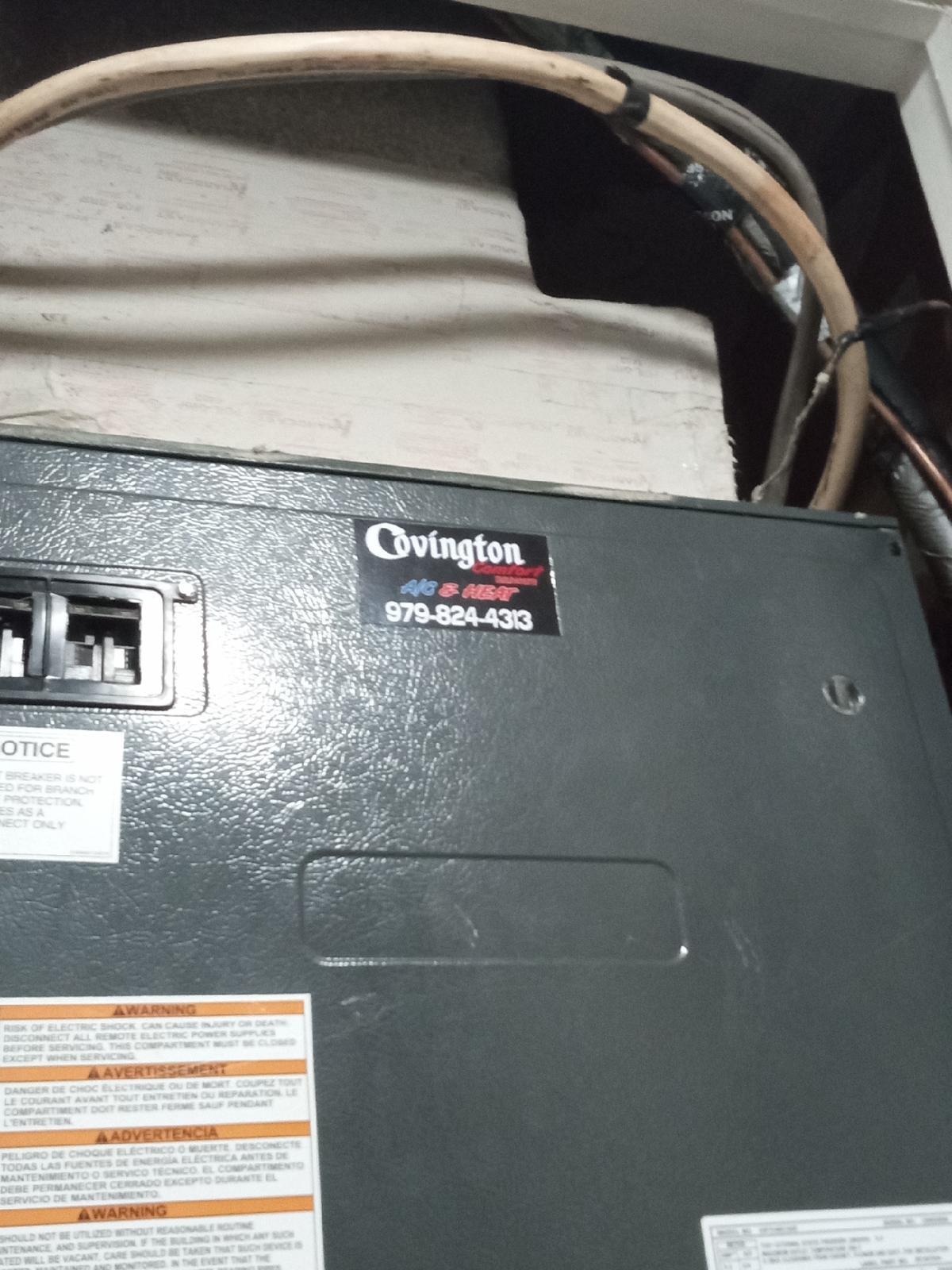
Scope of Inspection
A full commercial HVAC system inspection in Houston covers a wide range of components to ensure the entire system is functioning efficiently. The primary elements include:
- Equipment Evaluation: Inspect all HVAC equipment, including air handlers, chillers, boilers, and rooftop units.
- Ductwork: Assess ducts for leaks, blockages, and proper insulation to ensure effective airflow distribution.
- Controls: Examine programmable thermostats, sensors, and control systems for accuracy and functionality.
- Refrigerant Levels: Check refrigerant charge to ensure it meets the manufacturer's specifications and industry standards.
Inspection Frequency Recommendations
The frequency of HVAC inspections is crucial for maintaining system efficiency and preventing breakdowns. For commercial buildings in Houston, it is recommended to:
- Conduct a full inspection twice a year (spring and fall) before the onset of peak cooling and heating seasons.
- Perform quarterly checks on critical systems or those serving high-priority areas.
- Inspect after significant weather events, such as hurricanes, to assess damage and ensure safety.
Inspection Checklist
A thorough inspection checklist for commercial HVAC systems in Houston includes the following:
- Visual Inspection of Equipment: Look for signs of wear, corrosion, or damage on all units.
- Vibration Analysis: Use vibration analysis tools to detect issues before they become critical.
- Airflow Measurement: Measure airflow through ducts using an air balance hood to ensure proper distribution.
- Refrigerant Pressure Testing: Test refrigerant pressure in the system to confirm correct levels and detect leaks.
- Electrical Insulation Testing: Check electrical components for insulation issues that could lead to failures or fire hazards.
Houston-Specific Considerations
Houston's unique climate presents several challenges for commercial HVAC systems, including high humidity and severe weather conditions. Facility managers should consider the following Houston-specific factors when planning inspections:
- Humidity Control: Ensure dehumidifiers are functioning properly to manage indoor air quality in humid climates.
- Seasonal Inspection Timing: Schedule inspections before peak seasons (summer and winter) to prevent system overloads and failures.
- Hurricane Preparedness: Conduct thorough inspections after hurricanes to assess damage, repair leaks, and ensure all components are operational.

Preventive Maintenance Benefits
Regular HVAC system inspections offer numerous benefits for commercial facilities in Houston. These include:
- Extended Equipment Lifespan: Early detection of issues prevents minor problems from escalating into costly repairs.
- Energy Efficiency: Optimized systems consume less energy, reducing utility costs and environmental impact.
- Compliance with Codes and Standards: Regular inspections ensure adherence to local building codes and industry standards, protecting against legal issues.
HVAC Code Compliance and Safety Inspections
Code compliance is a critical aspect of commercial HVAC system management in Houston. Inspectors should verify that all systems meet or exceed local, state, and federal regulations. Key areas for inspection include:
- ASME Boiler Codes: Ensure boilers are compliant with the American Society of Mechanical Engineers' boiler codes.
- NFPA Standards: Adhere to National Fire Protection Association standards for fire safety and protection systems.
- IAQ Guidelines: Follow Indoor Air Quality guidelines set by organizations like the Environmental Protection Agency (EPA).
Detailed Inspection Procedures and What Inspectors Look For
During a comprehensive HVAC inspection in Houston, inspectors follow detailed procedures to ensure thorough assessment. These include:
Visual and Functional Checks
Inspectors conduct visual inspections of all equipment, checking for leaks, corrosion, or visible damage. They also perform functional tests, such as starting compressors and fans, to ensure they operate correctly.
Airflow Testing
Using an air balance hood, inspectors measure airflow through ducts to ensure proper distribution throughout the building. This helps identify blockages or leaks that could affect system efficiency.
Refrigerant Levels and Pressure Testing
Inspectors check refrigerant levels using a manifold gauge set to verify they meet manufacturer specifications. They also perform pressure testing to detect any leaks in the system.
Electrical System Checks
Electrical components are inspected for proper insulation, secure connections, and functionality. Inspectors use multimeters to check voltage levels and ensure all electrical systems are safe and operational.
Safety Inspections
Safety inspections focus on identifying potential hazards, such as flammable materials near HVAC units or faulty wiring. Inspectors also review safety protocols, including emergency shutdown procedures and evacuation plans.
At HVAC247PRO, our team of certified professionals is dedicated to providing top-notch commercial HVAC services in Houston. We offer 24/7 emergency service to ensure your facilities are always running smoothly, even during unexpected issues. Regular full HVAC system inspections are a cornerstone of our preventive maintenance approach, helping you maintain compliance, efficiency, and safety.