

Complete guide to commercial HVAC compressor replacement costs, timelines, and emergency service options in Houston. Expert analysis from licensed HVAC professionals.
HVAC247PRO Technical Team Licensed HVAC Professionals | TACLB00105442E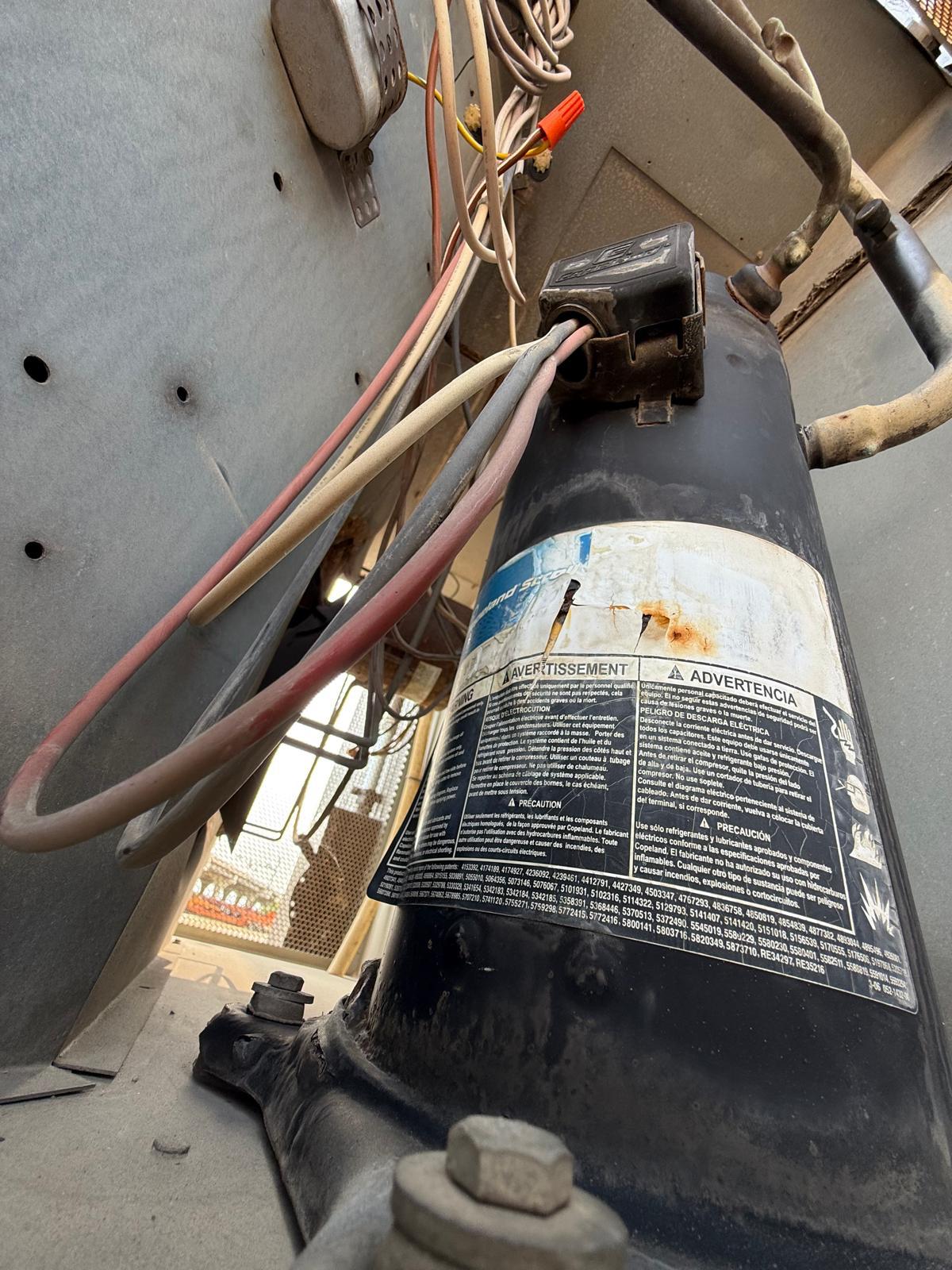 Professional compressor inspection and replacement service for commercial HVAC systems in Houston
Table of Contents
- Understanding Commercial HVAC Compressors
- Complete Cost Breakdown by System Size
- Replacement Timeline & Process
- Repair vs Replace Decision Matrix
- Common Compressor Failure Causes
- Emergency Replacement Process
- Temporary Cooling Options
- Prevention & Maintenance
- Frequently Asked Questions
When a commercial HVAC compressor fails, business owners face urgent questions: How much will replacement cost? How long will my building be without cooling? Should I repair or replace? This comprehensive guide provides detailed answers based on 15+ years of emergency compressor replacements across Houston's commercial sector.
Key Takeaways
- Cost Range: $2,500-$30,000+ depending on system size and type
- Timeline: 4-12 hours from arrival to system restart
- 50% Rule: Replace if repair costs exceed 50% of replacement cost
- R-22 Impact: Phased-out refrigerant significantly increases costs
- Emergency Service: Available 24/7 with 60-120 minute response times
Understanding Commercial HVAC Compressors
The compressor is the heart of your commercial HVAC system, responsible for circulating refrigerant and enabling heat transfer. Understanding compressor types helps you make informed replacement decisions.
Compressor Types in Commercial Systems
| Compressor Type | Common Applications | Typical Size Range | Replacement Cost |
|---|---|---|---|
| Scroll Compressor | Small offices, retail shops, restaurants | 3-15 tons | $2,500-$9,000 |
| Reciprocating Compressor | Medium commercial buildings, warehouses | 5-25 tons | $3,500-$12,000 |
| Screw Compressor | Large facilities, industrial applications | 20-100+ tons | $8,000-$25,000 |
| Centrifugal Compressor | High-rise buildings, large campuses | 100-1000+ tons | $15,000-$50,000+ |
Professional Insight
Scroll compressors dominate Houston's small-to-medium commercial market due to reliability, efficiency, and quieter operation. They're the most common replacement we perform, accounting for approximately 70% of our emergency compressor calls.

Complete Cost Breakdown by System Size
Compressor replacement costs vary significantly based on system size, compressor type, refrigerant requirements, and installation complexity. Here's a detailed breakdown for Houston commercial properties:
3-5 Ton Systems (Small Commercial)
Total Cost: $2,500 - $4,500
- Compressor Unit: $1,200-$2,200
- Refrigerant (R-410A): $300-$600 (10-15 lbs @ $20-40/lb)
- Labor (4-6 hours): $600-$1,200 ($150/hour emergency rate)
- Filter Drier & Accessories: $150-$250
- Electrical Components: $100-$200 (contactors, capacitors)
- System Flush (if needed): $200-$400
- Startup & Testing: $150-$250
Common Applications: Small offices (1,500-2,500 sq ft), retail shops, small restaurants, medical/dental offices
7.5-10 Ton Systems (Medium Commercial)
Total Cost: $4,000 - $7,500
- Compressor Unit: $2,000-$3,800
- Refrigerant (R-410A): $500-$1,000 (20-30 lbs)
- Labor (6-8 hours): $900-$1,600
- Filter Drier & Accessories: $200-$350
- Electrical Components: $150-$300
- System Flush: $300-$500
- Crane/Rigging (rooftop): $400-$800 (if needed)
- Startup & Testing: $200-$350
Common Applications: Medium offices (3,000-5,000 sq ft), larger retail, full-service restaurants, small warehouses
12.5-15 Ton Systems (Large Commercial)
Total Cost: $5,500 - $9,000
- Compressor Unit: $3,000-$5,000
- Refrigerant (R-410A): $800-$1,500 (30-40 lbs)
- Labor (8-10 hours): $1,200-$2,000
- Filter Drier & Accessories: $250-$400
- Electrical Components: $200-$400
- System Flush: $400-$600
- Crane/Rigging: $600-$1,000
- Startup & Testing: $250-$400
Common Applications: Large offices (6,000-10,000 sq ft), big-box retail, supermarkets, medical facilities
20-25 Ton Systems (Industrial/Large Facility)
Total Cost: $7,000 - $12,000
- Compressor Unit: $4,000-$6,500
- Refrigerant: $1,200-$2,000 (40-60 lbs)
- Labor (10-12 hours): $1,500-$2,400
- Filter Drier & Accessories: $300-$500
- Electrical Components: $300-$600
- System Flush: $500-$800
- Crane/Rigging: $800-$1,500
- Startup & Testing: $400-$700
Common Applications: Warehouses, manufacturing facilities, large retail centers, multi-tenant buildings
30+ Ton Chiller Systems
Total Cost: $10,000 - $30,000+
- Compressor Unit: $6,000-$18,000
- Refrigerant: $2,000-$4,000+ (varies by type and quantity)
- Labor (12-20+ hours): $2,000-$4,000
- Specialized Equipment: $1,000-$2,000
- System Flush & Cleaning: $800-$1,500
- Crane/Rigging: $1,200-$2,500
- Controls & Electrical: $500-$1,000
- Startup & Commissioning: $500-$1,000
Common Applications: High-rise buildings, hospitals, universities, data centers, large industrial facilities
R-22 Refrigerant Cost Impact
If your system uses R-22 refrigerant (phased out in 2020), expect significantly higher costs:
- R-22 Price: $80-$150+ per pound (vs $20-40 for R-410A)
- Additional Cost: $1,200-$4,500 extra for refrigerant alone
- Availability: Limited supply, prices continue rising
- Recommendation: Consider full system replacement if R-22 unit is 10+ years old
Replacement Timeline & Process
Understanding the replacement timeline helps you plan for business disruption and communicate with staff, customers, or tenants.
Typical Timeline by System Size
| System Size | Total Time | Diagnosis | Refrigerant Recovery | Compressor R&R | Recharge & Test |
|---|---|---|---|---|---|
| 3-5 Ton | 4-6 hours | 30-45 min | 45-60 min | 1.5-2 hours | 1.5-2 hours |
| 7.5-10 Ton | 6-8 hours | 45-60 min | 1-1.5 hours | 2-3 hours | 2-2.5 hours |
| 12.5-15 Ton | 8-10 hours | 60-90 min | 1.5-2 hours | 3-4 hours | 2.5-3 hours |
| 20-25 Ton | 10-12 hours | 90 min-2 hours | 2-3 hours | 4-5 hours | 3-4 hours |
| 30+ Ton Chiller | 12-20+ hours | 2-3 hours | 3-4 hours | 5-8 hours | 4-6 hours |
Step-by-Step Replacement Process
1Emergency Diagnosis (30-120 minutes)
- Visual inspection of compressor and system
- Electrical testing (voltage, amperage, resistance)
- Refrigerant pressure analysis
- Oil sample analysis (if contamination suspected)
- Determine failure cause and replacement requirements
- Provide detailed cost estimate and timeline
Refrigerant Recovery (45 minutes - 4 hours)
- Connect EPA-certified recovery equipment
- Safely remove all refrigerant from system
- Store refrigerant for reuse or proper disposal
- Document refrigerant type and quantity
- Verify system is fully evacuated
Compressor Removal (1.5-8 hours)
- Disconnect electrical connections (document for reinstall)
- Remove refrigerant line connections
- Unbolt compressor from mounting
- Use crane/rigging for rooftop units (if needed)
- Inspect system for contamination or damage
- Clean mounting area and connections
System Cleaning & Preparation (30 minutes - 2 hours)
- Flush refrigerant lines (if contamination present)
- Install new filter drier
- Replace suction line filter (if equipped)
- Clean or replace expansion valve
- Inspect and clean condenser/evaporator coils
New Compressor Installation (1-4 hours)
- Position and secure new compressor
- Connect refrigerant lines with new gaskets
- Torque all connections to manufacturer specs
- Reconnect electrical (verify voltage before energizing)
- Install new contactor and capacitor
- Verify oil level and type
Evacuation & Refrigerant Charging (1.5-6 hours)
- Pull deep vacuum (500 microns or lower)
- Hold vacuum for leak test (30-60 minutes)
- Charge system with correct refrigerant type and quantity
- Monitor pressures during charging
- Verify subcooling and superheat readings
Startup & Testing (1-2 hours)
- Energize system and monitor startup
- Check compressor amperage draw
- Verify proper refrigerant pressures
- Test all safety controls and sensors
- Monitor system for 30-60 minutes of operation
- Verify cooling performance and airflow
- Document final readings and settings
Timeline Variables
Several factors can extend replacement time:
- Rooftop Access: Crane rental and setup adds 1-3 hours
- System Contamination: Extensive flushing adds 2-4 hours
- Parts Availability: Uncommon compressors may require overnight shipping
- Weather: Houston thunderstorms can delay rooftop work
- Building Access: After-hours security, parking restrictions
- Multi-Compressor Systems: Each additional compressor adds time
Repair vs Replace Decision Matrix
Not every compressor failure requires replacement. Use this decision framework to determine the most cost-effective approach:
When to REPLACE the Compressor
Replace If:
- Repair cost exceeds 50% of replacement cost (industry standard rule)
- System is 10-12+ years old (approaching end of typical 15-year lifespan)
- Uses R-22 refrigerant (phased out, expensive, consider full system upgrade)
- Catastrophic failure with metal contamination (debris throughout system)
- Multiple previous compressor repairs (indicates systemic issues)
- Compressor is out of warranty and system has other aging components
- Efficiency is poor (high energy bills, frequent cycling)
- Refrigerant leaks are present in addition to compressor failure
- Business growth requires more capacity (upgrade opportunity)
When REPAIR May Be Viable
Consider Repair If:
- System is under 5 years old with warranty coverage
- Minor electrical issue (failed capacitor, contactor, overload)
- Compressor is under warranty (parts covered, labor only)
- Replacement cost exceeds budget and system otherwise works well
- Temporary fix needed while planning full system replacement
- System uses modern refrigerant (R-410A, R-32) with good availability
- No contamination present in refrigerant system
Cost Comparison: Repair vs Replace
| Issue | Repair Cost | Replace Cost | Recommendation |
|---|---|---|---|
| Failed capacitor/contactor | $150-$400 | $2,500-$12,000 | Repair (not compressor failure) |
| Compressor overload tripping | $200-$600 | $2,500-$12,000 | Repair if electrical issue |
| Compressor valve failure (5-year-old system) | $800-$1,500 | $2,500-$5,000 | Repair if under warranty |
| Compressor burnout (12-year-old R-22 system) | $3,000-$6,000 | $4,000-$8,000 | Replace (or full system upgrade) |
| Seized compressor with contamination | $2,500-$5,000 | $3,000-$7,000 | Replace (contamination risk) |
The 50% Rule Explained
If repair costs exceed 50% of replacement cost, replacement is typically the better investment:
- Example: 10-ton compressor replacement costs $6,000
- 50% threshold: $3,000
- If repair quote is $3,500: Replace instead (only $2,500 more for new compressor with warranty)
- If repair quote is $1,200: Repair is cost-effective (saves $4,800)
Common Compressor Failure Causes
Understanding why compressors fail helps prevent future issues and informs replacement decisions:
1. Electrical Issues (35% of failures)
- Voltage Imbalances: More than 2% voltage difference between phases damages windings
- Power Surges: Lightning strikes, grid fluctuations (common in Houston storms)
- Failed Capacitors: Weak start/run capacitors cause hard starting and overheating
- Loose Connections: Arcing and resistance create heat damage
- Single-Phasing: Loss of one phase in 3-phase systems causes catastrophic failure
2. Refrigerant Problems (25% of failures)
- Low Refrigerant Charge: Causes compressor to overheat and lose lubrication
- Overcharging: Excessive liquid refrigerant damages compressor valves
- Wrong Refrigerant Type: Mixing refrigerants or using incorrect type
- Refrigerant Leaks: Gradual loss leads to compressor damage over time
3. Lubrication Failure (20% of failures)
- Oil Breakdown: Heat and contamination degrade lubricating properties
- Insufficient Oil: Low oil level causes bearing and piston wear
- Wrong Oil Type: Incompatible oil with refrigerant type
- Oil Contamination: Moisture, debris, or acid formation
4. System Contamination (10% of failures)
- Moisture: Creates acid, corrodes components, freezes expansion valves
- Debris: Metal shavings, dirt, or installation contaminants
- Acid Formation: From moisture reacting with refrigerant and oil
- Previous Compressor Failure: Contamination from earlier burnout
5. Mechanical Wear (10% of failures)
- Bearing Failure: Normal wear after years of operation
- Valve Damage: Broken or leaking discharge/suction valves
- Piston Wear: In reciprocating compressors
- Scroll Wear: In scroll compressors (less common, very durable)
Houston-Specific Failure Accelerators
Houston Climate Impact
- Extended Cooling Season: 8-9 months of operation vs 4-6 months in northern climates
- High Humidity: Increases moisture contamination risk
- Frequent Thunderstorms: Power surges and voltage fluctuations
- High Ambient Temperatures: Compressors work harder in 95-100°F+ heat
- Coastal Salt Air: Accelerates corrosion in coastal areas

Emergency Replacement Process
When your compressor fails during business hours, every minute counts. Here's what to expect from HVAC247PRO's emergency compressor replacement service:
Step 1: Emergency Call & Dispatch (0-15 minutes)
- Call (346) 451-1559 - 24/7 emergency line
- Describe symptoms (no cooling, strange noises, breaker tripping)
- Provide building type, approximate system size, and urgency level
- Dispatcher assigns licensed technician with compressor expertise
- Receive estimated arrival time (typically 60-120 minutes)
Step 2: On-Site Diagnosis (30-120 minutes after arrival)
- Technician performs comprehensive compressor testing
- Determines failure cause and replacement requirements
- Checks for system contamination or secondary damage
- Provides detailed written estimate with cost breakdown
- Discusses timeline, temporary cooling options, and warranty
- Obtains approval to proceed
Step 3: Parts Procurement (0-24 hours)
- Stock Compressors: Common sizes (3-15 ton) often on truck or at warehouse
- Same-Day Delivery: Houston-area suppliers for most commercial compressors
- Overnight Shipping: Specialty compressors from manufacturer
- Temporary Cooling: Arranged while waiting for parts (if needed)
Step 4: Replacement Execution (4-20 hours)
- Follow detailed process outlined in "Replacement Timeline" section above
- Maintain communication with building contact throughout
- Coordinate with building operations (power shutoffs, access, etc.)
- Document all work with photos and detailed service report
Step 5: Post-Replacement Support
- Immediate: Verify cooling performance before leaving site
- 24 Hours: Follow-up call to confirm system operation
- 7 Days: Return visit to check refrigerant levels and performance
- 30 Days: Comprehensive system inspection and optimization
- Warranty: 5-year parts, 1-year labor (standard commercial warranty)
Priority Service for Contract Customers
HVAC247PRO maintenance contract customers receive:
- Faster Response: 30-60 minute arrival vs 60-120 minutes
- Discounted Rates: 15-20% off emergency service and parts
- Parts Priority: Stock reserved for contract customers
- Extended Warranty: 7-year parts, 2-year labor
- Preventive Maintenance: Quarterly inspections to prevent failures
Temporary Cooling Options
If compressor replacement will take 24+ hours due to parts availability, consider these temporary cooling solutions:
Portable AC Units
- Capacity: 1-5 tons per unit
- Best For: Small offices, server rooms, critical areas
- Rental Cost: $150-$400/day depending on size
- Setup Time: 1-2 hours
- Limitations: Requires exhaust venting, uses significant electricity
Spot Coolers
- Capacity: 1-3 tons, targeted cooling
- Best For: Data centers, medical equipment, specific workstations
- Rental Cost: $100-$250/day
- Setup Time: 30-60 minutes
- Advantage: Flexible placement, quick deployment
Rental Chillers (Large Facilities)
- Capacity: 20-200+ tons
- Best For: Large buildings, industrial facilities, hospitals
- Rental Cost: $500-$3,000+/day depending on size
- Setup Time: 4-8 hours (requires crane, electrical, piping)
- Minimum Rental: Usually 1 week
Evaporative Coolers
- Capacity: Varies (not measured in tons)
- Best For: Warehouses, workshops, outdoor areas
- Rental Cost: $50-$150/day
- Limitation: Less effective in Houston's high humidity
Operational Workarounds
- Multi-Zone Systems: Isolate failed unit, operate other zones
- Schedule Adjustments: Operate during cooler hours (early morning)
- Reduce Heat Load: Turn off non-essential equipment, lighting
- Increase Ventilation: Use exhaust fans to remove heat
- Temporary Relocation: Move critical operations to cooled areas
HVAC247PRO Rental Coordination
We maintain relationships with Houston-area equipment rental companies and can arrange temporary cooling while your compressor is being replaced. This service is particularly valuable for:
- Medical facilities (temperature-sensitive medications)
- Data centers (server cooling requirements)
- Food service (health code compliance)
- Retail (customer comfort during peak season)
Prevention & Maintenance
Proper maintenance significantly extends compressor lifespan and prevents emergency failures:
Quarterly Maintenance Tasks
- Clean Condenser Coils: Remove dirt, debris, cottonwood (Houston spring issue)
- Check Refrigerant Levels: Verify proper charge, look for leaks
- Test Electrical Components: Measure voltage, amperage, capacitor strength
- Inspect Compressor: Listen for unusual noises, check for oil leaks
- Verify Controls: Test safety switches, thermostats, pressure controls
- Lubricate Moving Parts: Fan motors, bearings (if applicable)
Annual Maintenance Tasks
- Comprehensive Electrical Testing: Voltage balance, connection tightness
- Refrigerant Analysis: Check for contamination, acid formation
- Oil Analysis: Test compressor oil condition and level
- System Performance Testing: Measure efficiency, cooling capacity
- Replace Worn Components: Contactors, capacitors before failure
- Deep Clean: Coils, drain pans, condensate lines
Compressor Lifespan by Maintenance Level
| Maintenance Level | Expected Lifespan | Failure Rate | Annual Cost |
|---|---|---|---|
| No Maintenance | 5-8 years | High (40-50%) | $0 (until failure) |
| Reactive Only | 8-10 years | Moderate (25-35%) | $500-$1,500 |
| Annual Maintenance | 10-12 years | Low (15-20%) | $800-$2,000 |
| Quarterly Maintenance | 12-15+ years | Very Low (5-10%) | $1,500-$3,500 |
Warning Signs of Impending Compressor Failure
Call for Service If You Notice:
- Unusual Noises: Grinding, squealing, rattling, or knocking
- Hard Starting: Compressor struggles to start or cycles frequently
- Reduced Cooling: System runs but doesn't cool effectively
- High Energy Bills: Sudden increase in electricity consumption
- Breaker Tripping: Electrical overload protection activating
- Oil Leaks: Visible oil around compressor or connections
- Overheating: Compressor excessively hot to touch
- Vibration: Excessive shaking or movement
Early detection can prevent catastrophic failure and reduce repair costs by 50-70%.
Frequently Asked Questions
How much does commercial HVAC compressor replacement cost in Houston?
Commercial compressor replacement costs vary by system size:
- 3-5 ton units: $2,500-$4,500
- 7.5-10 ton units: $4,000-$7,500
- 12.5-15 ton units: $5,500-$9,000
- 20-25 ton units: $7,000-$12,000
- 30+ ton chiller compressors: $10,000-$30,000+
Costs include the compressor unit, refrigerant, labor (4-12 hours), electrical work, and startup testing. R-22 refrigerant systems cost significantly more due to phase-out pricing ($80-$150/lb vs $20-40/lb for R-410A).
How long does emergency compressor replacement take?
Emergency compressor replacement typically takes 4-12 hours from technician arrival to system restart:
- Small units (3-5 ton): 4-6 hours
- Medium units (7.5-15 ton): 6-8 hours
- Large units (20+ ton): 8-12 hours
Timeline includes diagnosis (30-60 minutes), refrigerant recovery (1-2 hours), compressor removal and installation (2-4 hours), electrical connections (1-2 hours), refrigerant charging (1-2 hours), and testing (1 hour). Rooftop units may take longer due to access challenges requiring crane rental.
Should I repair or replace a failed compressor?
Replace the compressor if:
- Repair costs exceed 50% of replacement cost
- System is over 10-12 years old
- It uses R-22 refrigerant (phased out)
- There's catastrophic failure with metal contamination
- You've had multiple compressor repairs
Repair may be viable if:
- System is under 5 years old with warranty coverage
- It's a minor electrical issue (capacitor, contactor)
- Compressor is under warranty
- Replacement cost exceeds your budget and system otherwise works well
For systems 5-10 years old, evaluate total repair history and remaining lifespan. Our technicians provide honest recommendations based on your specific situation.
What causes commercial HVAC compressors to fail?
Common compressor failure causes include:
- Electrical issues (35%): Voltage imbalances, power surges, failed capacitors, loose connections
- Refrigerant problems (25%): Leaks causing low charge, overcharging, wrong refrigerant type
- Lubrication failure (20%): Oil breakdown, insufficient oil, contaminated oil
- System contamination (10%): Moisture, debris, acid formation
- Mechanical wear (10%): Bearing failure, valve damage, piston wear
Houston's climate accelerates wear due to extended cooling seasons (8-9 months), high humidity, frequent electrical storms, and high ambient temperatures. Regular maintenance can prevent 70-80% of these failures.
Can I get temporary cooling while waiting for compressor replacement?
Yes, temporary cooling options include:
- Portable AC units: 1-5 ton capacity for small spaces ($150-$400/day)
- Spot coolers: Targeted cooling for critical areas ($100-$250/day)
- Rental chillers: For large facilities ($500-$3,000+/day)
- Evaporative coolers: Effective in dry conditions, less so in humid Houston ($50-$150/day)
- Fans with ventilation: Minimal cooling but improves air circulation
For multi-zone systems, you may be able to isolate the failed unit and operate other zones. HVAC247PRO can arrange emergency rental equipment while sourcing and installing your replacement compressor. Priority is given to temperature-sensitive operations like medical facilities, data centers, and food service.

About HVAC247PRO
HVAC247PRO is Houston's trusted commercial HVAC service provider with over 15 years of experience. Our licensed technicians (TACLB00105442E) specialize in emergency compressor replacement, system diagnostics, and preventive maintenance for businesses across the Greater Houston area.
We serve a 50-mile radius including Houston, Katy, Sugar Land, The Woodlands, and Pearland with 24/7 emergency service. Our team has completed thousands of compressor replacements across all commercial sectors including offices, retail, restaurants, medical facilities, and industrial operations.
TX License: TACLB00105442E 5.0 Rating (150+ Reviews) 24/7 Emergency Service