
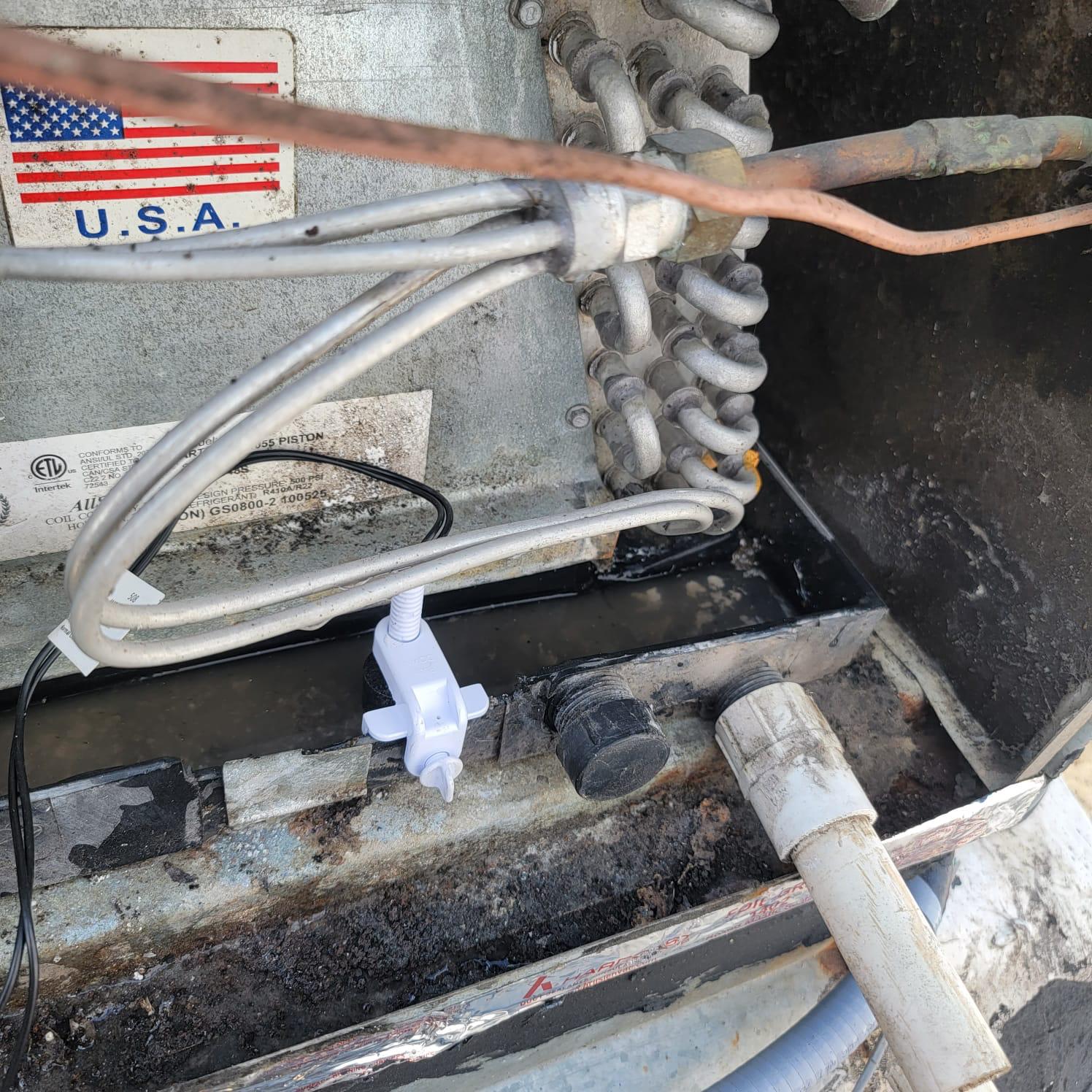
A clogged condensate drain seems like a minor issue—until water starts dripping through ceiling tiles onto your server room, damaging $50,000 in equipment. In Houston's extreme humidity, commercial HVAC systems can produce 15-25 gallons of condensate daily per unit, and every drop must drain properly. This comprehensive guide reveals how Houston businesses can prevent condensate drain disasters through proper maintenance, recognize warning signs before damage occurs, and protect their facilities from costly water damage.
Licensed & Insured - TACLB00105442E - Prevent Water Damage
Why Condensate Drains Are Critical for Commercial HVAC
Every commercial air conditioning system removes humidity from indoor air as part of the cooling process. When warm, humid air passes over cold evaporator coils, moisture condenses on the coil surfaces—exactly like water droplets forming on a cold glass. This condensate must be collected and drained away from the equipment.
In commercial applications, the volume of condensate produced is substantial. A typical 20-ton rooftop unit serving a Houston office building can generate 15-25 gallons of water daily during summer months. Larger systems produce proportionally more. When drain systems fail, this water has nowhere to go except into your building—damaging ceilings, walls, inventory, and equipment.
The Condensate System Components
Understanding the condensate drainage system helps identify maintenance needs:
- Drain pan (primary): Located directly beneath the evaporator coil to catch condensate as it drips from the coil
- Drain pan (secondary/auxiliary): Backup pan required by code for equipment installed above occupied spaces
- Drain line: PVC pipe (typically 3/4" to 1-1/4") carrying condensate from pan to discharge point
- Trap: P-trap or running trap preventing air pressure differences from blocking drainage
- Float switch: Safety device that shuts down the system when water level rises abnormally
- Vent: Allows air to enter the drain line, enabling proper drainage
Each component can fail or become blocked, and Houston's conditions accelerate wear and clog formation throughout the system.

Houston's Humidity: The Condensate Challenge
Houston's climate creates uniquely demanding conditions for condensate management. With average summer humidity levels of 75-90% and temperatures frequently exceeding 95°F, commercial HVAC systems work continuously at maximum dehumidification capacity for 5-6 months annually.
Condensate Production by System Size
This volume of water—combined with Houston's warm temperatures—creates ideal conditions for biological growth that clogs drain lines and pans.
Why Houston Drains Clog Faster
Compared to drier climates, Houston commercial HVAC condensate systems face:
- 3-4x higher condensate volume: More water means more opportunity for debris accumulation
- Extended cooling season: 8-9 months of continuous condensate production versus 4-5 months in moderate climates
- Accelerated biological growth: Warm, moist conditions in drain pans support rapid algae and biofilm formation
- Higher organic debris: Houston's vegetation produces substantial pollen and organic matter that enters HVAC systems
- Thermal stress on drain lines: Attic temperatures exceeding 140°F can warp or damage PVC drain lines
What Causes Commercial Condensate Drain Clogs
Understanding clog causes helps prevent them. Here are the primary culprits in Houston commercial HVAC systems:
1. Algae and Microbial Growth
The number one cause of condensate drain clogs in Houston is biological growth. The dark, warm, moist environment inside drain pans and lines provides ideal conditions for:
- Algae: Forms green or brown slime that accumulates and blocks drain lines
- Biofilm: Bacterial colonies create sticky films that trap debris and narrow drain passages
- Mold: Thrives in standing water conditions and can completely block drains
- Fungal growth: Creates dense blockages that resist simple flushing
Without treatment, biological growth can completely block a 3/4" drain line within 4-8 weeks during Houston summers.
2. Dust and Debris Accumulation
Even with proper air filtration, small particles pass through filters and settle on wet evaporator coils:
- Dust particles washed into drain pans by condensate
- Fiber fragments from deteriorating filter media
- Insulation particles from aging duct systems
- Pollen and organic matter from outdoor air intakes
These materials combine with biological growth to form dense, paste-like clogs that resist water flow.
3. Drain Line Issues
Physical problems with drain line installation or condition:
- Improper slope: Drain lines require 1/4" per foot minimum slope; inadequate slope allows water to pool and debris to settle
- Sags in horizontal runs: Create low points where water and debris collect
- Undersized lines: 3/4" lines often inadequate for larger commercial systems
- Missing or improper traps: Allow air pressure to block drainage or permit sewer gases to enter
- UV damage: Outdoor drain line sections degrade from sun exposure
4. Drain Pan Problems
Drain pan issues that contribute to clogs and water damage:
- Corrosion: Metal pans develop rust that flakes into drain lines
- Improper slope: Water pools instead of flowing to drain
- Cracks or holes: Allow water to bypass drain system entirely
- Standing water: Promotes biological growth even when drain is clear
Warning Signs of Condensate Drain Problems
Catching drain problems early prevents water damage. Train facility staff to watch for these indicators:
Visible Signs
Sensory Indicators
- Musty or moldy odors: Indicates biological growth in drain system or standing water
- Sewer smell from vents: Suggests dry trap allowing sewer gases to enter
- Increased humidity indoors: Drain problems can reduce dehumidification effectiveness
System Behavior Changes
- System shutting off unexpectedly: Float switch activating due to high water level
- Frequent short cycling: Can indicate safety shutdowns from drain issues
- Reduced cooling capacity: Frozen coils from restricted airflow due to water-logged drain pan

Professional Condensate Drain Maintenance Procedures
HVAC247PRO technicians follow comprehensive procedures to ensure condensate systems function properly:
Quarterly Maintenance Protocol
Step 1: Visual Inspection
- Inspect primary and secondary drain pans for corrosion, cracks, or standing water
- Check drain line connections for leaks or separation
- Verify proper slope on visible drain line sections
- Inspect insulation on drain lines in unconditioned spaces
Step 2: Drain Pan Cleaning
- Remove standing water and debris from drain pan
- Clean pan surfaces with antimicrobial solution
- Inspect pan for damage requiring repair or replacement
- Verify proper pan slope toward drain
Step 3: Drain Line Clearing
- Flush drain line with water to verify flow
- Use wet/dry vacuum to clear minor blockages
- For stubborn clogs, use nitrogen pressure or mechanical clearing
- Verify flow at discharge point
Step 4: Preventive Treatment
- Install or replace pan tablets (biocide treatment)
- Apply drain line treatment solution
- Document treatment type and date
Step 5: Safety Device Testing
- Test float switch operation
- Verify switch shuts down equipment when activated
- Document test results
Annual Deep Maintenance
In addition to quarterly maintenance, annual service includes:
- Complete drain line rodding or high-pressure cleaning
- Trap inspection and replacement if needed
- Drain pan coating assessment (for metal pans)
- Drain line slope verification with level
- Comprehensive documentation with photos
Prevention Strategies for Houston Businesses
Proactive prevention costs far less than emergency repairs and water damage restoration:
Biocide Treatments
Professional-grade biocide treatments prevent biological growth that causes most clogs:
Air Filtration Upgrades
Better filtration reduces debris entering the condensate system:
- Upgrade from MERV 8 to MERV 11-13 filters where system allows
- Ensure proper filter fit to prevent bypass
- Maintain filter change schedules (monthly during peak season)
- Consider pre-filters for outdoor air intakes
Drain Line Improvements
Infrastructure improvements that reduce clog frequency:
- Upsize undersized drain lines (3/4" to 1" or larger)
- Install cleanout ports for easier maintenance access
- Add secondary drain with alarm for critical equipment
- Correct slope problems in existing drain runs
- Replace corroded or UV-damaged pipe sections
Monitoring Systems
Technology-based monitoring for early warning:
- Water sensors: Alert building management when water detected in secondary pans
- Float switch with remote alarm: Notifies facility staff before system shutdown
- BAS integration: Connect drain monitoring to building automation system
The True Cost of Condensate Drain Failures
Understanding potential losses justifies investment in proper maintenance:
Direct Damage Costs
Indirect Costs
- Business interruption: Closure during remediation
- Temporary relocation: Costs for moving operations
- Insurance deductibles: Out-of-pocket before coverage
- Premium increases: Future insurance cost increases after claims
- Reputation damage: Customer perception impacts
Prevention ROI
Compare maintenance costs to potential losses:
- Quarterly maintenance: $600-$1,600 annually (4 visits × $150-$400)
- Average water damage claim: $10,000-$50,000
- ROI: Even one prevented incident justifies 6-30+ years of maintenance
HVAC247PRO helps Houston businesses protect their facilities through comprehensive condensate maintenance programs. Contact us at (346) 451-1559 to schedule service or discuss a maintenance agreement.
Frequently Asked Questions
In Houston's high-humidity climate, commercial HVAC condensate drains should be professionally cleaned quarterly at minimum. During peak cooling season (May-September), monthly inspections are recommended for high-volume systems. Houston's humidity means HVAC systems produce significantly more condensate than systems in drier climates—up to 20+ gallons per day for a 20-ton unit. This increased water volume accelerates algae growth and debris accumulation, making frequent maintenance essential. Facilities with history of drain problems or those in critical environments (data centers, healthcare) may benefit from monthly professional maintenance.
Commercial HVAC condensate drain clogs are caused by several factors: algae and microbial growth (the primary culprit in Houston's humid climate), dust and debris accumulation from air filtration, rust and corrosion particles from aging equipment, improper drain line slope or installation, and drain pan deterioration. Houston's warm, moist conditions create an ideal environment for algae and biofilm that can completely block drain lines within weeks without treatment. Combined with the high volume of condensate produced in our climate, these factors make regular maintenance essential for preventing clogs and water damage.
Signs of a clogged commercial condensate drain include: water pooling around indoor units or in ceiling tiles, musty or moldy odors from vents, increased indoor humidity despite AC operation, water stains on ceilings or walls near HVAC equipment, system shutdowns from float switch activation, and visible algae or slime in the drain pan. Any of these signs requires immediate attention to prevent water damage and mold growth. HVAC247PRO recommends training facility staff to recognize these warning signs and report them immediately. Early detection can prevent thousands of dollars in water damage restoration costs.
Professional condensate drain cleaning for commercial HVAC systems in Houston costs $150-$400 per unit depending on accessibility and clog severity. Routine maintenance cleaning is typically $150-$250, while emergency clearing of severely clogged lines can cost $300-$500+. Quarterly maintenance agreements, which include drain cleaning along with other essential services, typically cost $200-$400 per visit and prevent expensive emergency calls. This investment is minimal compared to water damage repair costs averaging $5,000-$25,000+. HVAC247PRO offers maintenance programs tailored to your facility's specific needs and budget.
While diluted bleach (1:16 ratio with water) can be used for routine condensate drain maintenance, professional-grade biocide treatments are more effective for commercial systems. Bleach provides temporary sanitization but doesn't prevent biofilm reformation as effectively as commercial pan tablets or slow-release treatments. Additionally, bleach can corrode metal drain pans and fittings over time, potentially causing more problems than it solves. HVAC247PRO recommends professional-grade biocide treatments that provide 30-90 days of protection while being safe for all drain components. These treatments are more effective long-term and won't damage your equipment.
Concerned About Condensate Drain Issues?
Our licensed technicians can inspect your drain system and recommend the right maintenance program for your facility. Prevent water damage before it happens.
Need Emergency HVAC Service?
24/7 Emergency Service • 60-90 Minute Response Time • TX License TACLB00105442E
(346) 451-1559Frequently Asked Questions
How often should commercial HVAC systems be serviced?Commercial HVAC systems should be serviced at least twice per year - once before cooling season and once before heating season. High-use facilities may require quarterly maintenance.
What is the average lifespan of commercial HVAC equipment?Commercial HVAC equipment typically lasts 15-20 years with proper maintenance. Rooftop units average 15 years, while chillers can last 20-30 years with regular service.
Do you offer emergency HVAC repair services?Yes, HVAC247PRO provides 24/7 emergency commercial HVAC repair services throughout Houston. Our licensed technicians respond within 60-90 minutes for urgent situations.
Related HVAC Services
AC Repair
Expert commercial AC repair services
AC Installation
Professional AC installation
AC Maintenance
Preventive maintenance plans
All services performed by TX Licensed Contractor TACLB00105442E